
The preservation of natural landscapes remains a primary mandate for State Park directors and Departments of Natural Resources (DNR) across the United States. As these agencies manage millions of acres of pristine wilderness, the encroachment of anthropogenic waste: specifically single-use plastic water bottles: has become a critical threat to both ecological health and the aesthetic integrity of these protected areas. The shift toward a 100% plastic-free operational model is no longer a peripheral environmental goal; it is a fundamental necessity for maintaining the "unspoiled" promise of the American Great Outdoors.
Central to this transition is the implementation of high-volume, sustainable hydration solutions. Pure Box Water’s 1 Million Unit Program represents a significant pivot in how large-scale government agencies approach beverage procurement. By committing to a minimum scale of one million units, state parks can effectively displace the massive volume of plastic debris that currently saturates trailheads, campsites, and waterways. This strategic move aligns with broader federal initiatives to phase out single-use plastics on public lands, providing a scalable roadmap for state-level conservation.
The presence of plastic in state parks extends beyond simple littering; it represents a systemic failure of traditional packaging. Plastic bottles, often touted as recyclable, frequently bypass waste management streams due to the remote nature of park locations. In many state-managed forests and wetlands, these containers degrade into microplastics, infiltrating the soil and water systems that support sensitive wildlife populations. By the time a plastic bottle reaches a landfill: if it reaches one at all: the energy expenditure and carbon footprint associated with its lifecycle have already exacted a heavy toll on the environment.
Transitioning to a fully biodegradable, paper-based packaging system addresses the root of this crisis. Unlike plastic, which persists in the environment for centuries, the materials utilized in Pure Box Water are designed to minimize long-term ecological impact. For DNR directors tasked with protecting local flora and fauna, the removal of the plastic bottle is the most immediate and impactful decision available in the pursuit of 100% plastic-free status.

The transition to sustainable packaging is often hindered by the fragmented nature of procurement. However, the 1 Million Unit Program provides the necessary scale to transform an entire state park system’s supply chain. This volume ensures that every concession stand, visitor center, and vending machine within a department’s jurisdiction is unified under a single, sustainable standard.
For state agencies, the 1M unit minimum is not merely a number; it is a logistical baseline that allows for the total elimination of plastic across thousands of acres. When a state park system commits to this level of volume, it achieves a critical mass that makes traditional plastic water bottles obsolete within its borders. This approach allows for a streamlined distribution network that services the high-traffic needs of tourism-heavy sites while ensuring that even the most remote backcountry stations are equipped with eco-conscious hydration.
A significant hurdle for many DNRs and tourism bureaus is the perceived cost of transitioning away from legacy plastic contracts. Pure Box Water addresses this by integrating media rights and substantial advertising budgets into the procurement process. By leveraging the high visibility of state park visitors: often numbering in the millions annually: agencies can offset the costs of sustainable transitions through strategic partnerships.
The inclusion of $500,000 ad budgets in larger-scale agreements allows tourism bureaus to promote their conservation efforts simultaneously with the product’s distribution. This creates a self-sustaining financial ecosystem where the mission of preserving natural beauty is funded by the very tools used to protect it. State park directors are increasingly recognizing that the "real estate" of their concessions is a powerful asset in the global fight against plastic, one that can be traded for the long-term health of their parks.

Tourism is the lifeblood of many state economies, and the primary draw is the visual splendor of the landscape. The sight of discarded plastic bottles floating in a mountain lake or discarded along a scenic overlook directly degrades the "brand" of a state’s natural resources. Tourism bureaus are now identifying plastic-free initiatives as a key marketing differentiator. Visitors are increasingly seeking destinations that reflect their own values of sustainability and environmental stewardship.
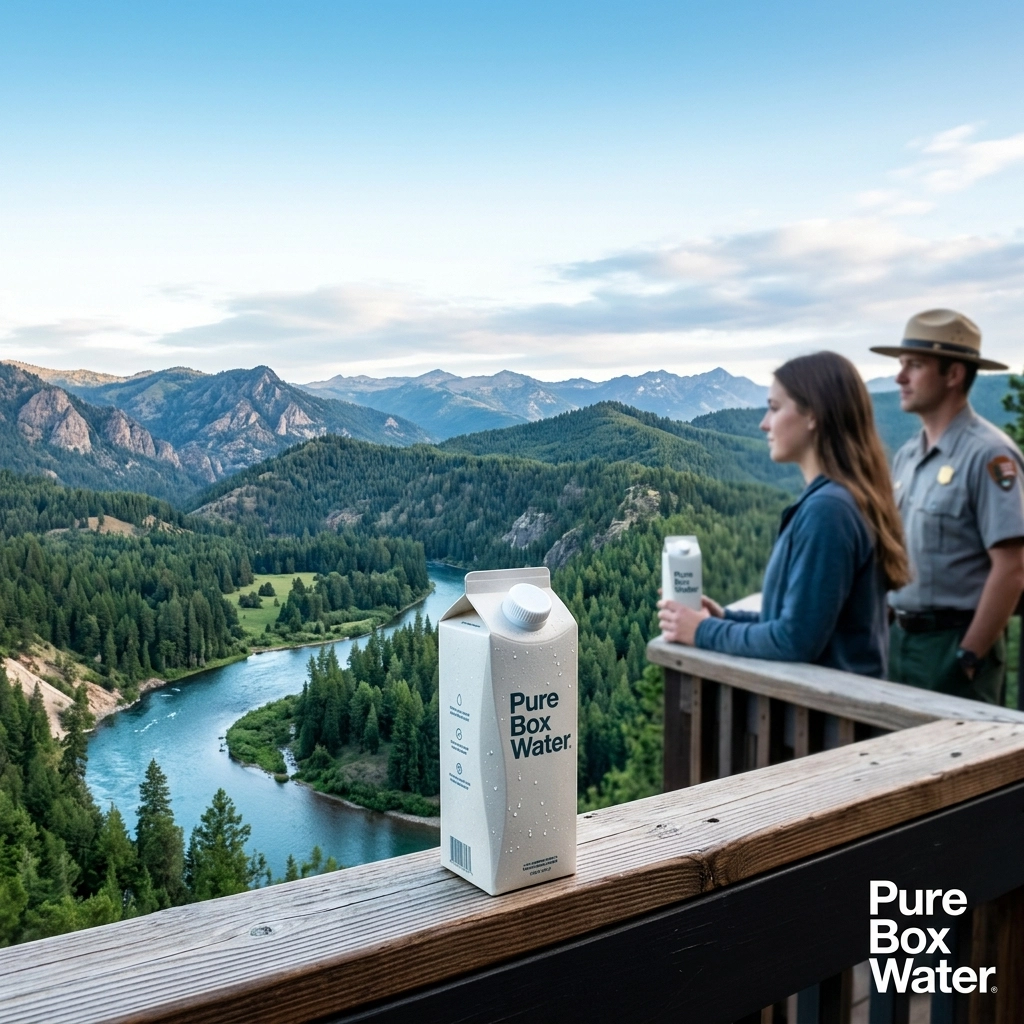
By adopting the 1 Million Unit Program, state parks can market themselves as 100% plastic-free destinations. This move protects the "view" in both a literal and a metaphorical sense. It ensures that the photographs taken by visitors: and subsequently shared across global media platforms: feature pristine nature rather than the remnants of modern waste. This visual consistency is vital for maintaining high tourism numbers and ensuring the continued economic viability of state-managed lands.
The Department of Natural Resources operates under a complex mandate that balances public access with environmental protection. The logistics of providing clean, safe drinking water to millions of annual visitors without generating tons of waste is a significant challenge. Traditional water refill stations, while helpful, often face maintenance issues in freezing temperatures or lack the necessary filtration infrastructure in remote areas.
Portable, boxed water solutions provide the necessary flexibility for DNR operations. They are easier to transport, store more efficiently due to their rectangular footprint, and offer a much higher shelf density than rounded plastic bottles. This logistical efficiency is critical when supplying seasonal events, fire crews, or remote ranger stations. When these units are biodegradable and plastic-free, the entire operational footprint of the DNR is reduced, allowing the agency to focus its resources on conservation rather than waste management.

As the Department of the Interior moves toward a 2032 deadline for phasing out single-use plastics on federal lands, state parks are uniquely positioned to lead the charge. Many state systems serve as the frontline of environmental education for the public. Implementing a 100% plastic-free policy through high-volume boxed water programs sets a standard that trickles down to local municipalities and private tourism operators.
The 1 Million Unit Program is specifically designed to meet the demands of these large-scale government endeavors. It provides a turnkey solution for directors who are ready to move beyond incremental change. By replacing every single plastic unit with a sustainable alternative, state parks are not just participating in a trend; they are defining the future of environmental management.
The decision to go plastic-free is a legacy-defining choice for state park leaders. It represents a commitment to the future: a promise that the natural wonders of today will remain intact for the generations of tomorrow. By utilizing the 1 Million Unit Program, DNRs and state tourism bureaus can achieve this goal with unprecedented speed and efficiency.
Preserving the view requires more than just passive protection; it requires active intervention in the supply chains that threaten our natural spaces. Pure Box Water stands as a partner in this mission, providing the scale, the economic support, and the sustainable technology necessary to keep our state parks truly wild.

For more information on integrating sustainable solutions into state-managed lands, explore our client list or review our latest sustainability updates. The path to 100% plastic-free parks begins with a commitment to scale. Together, we can ensure that the only thing left behind in our parks is footprints.