
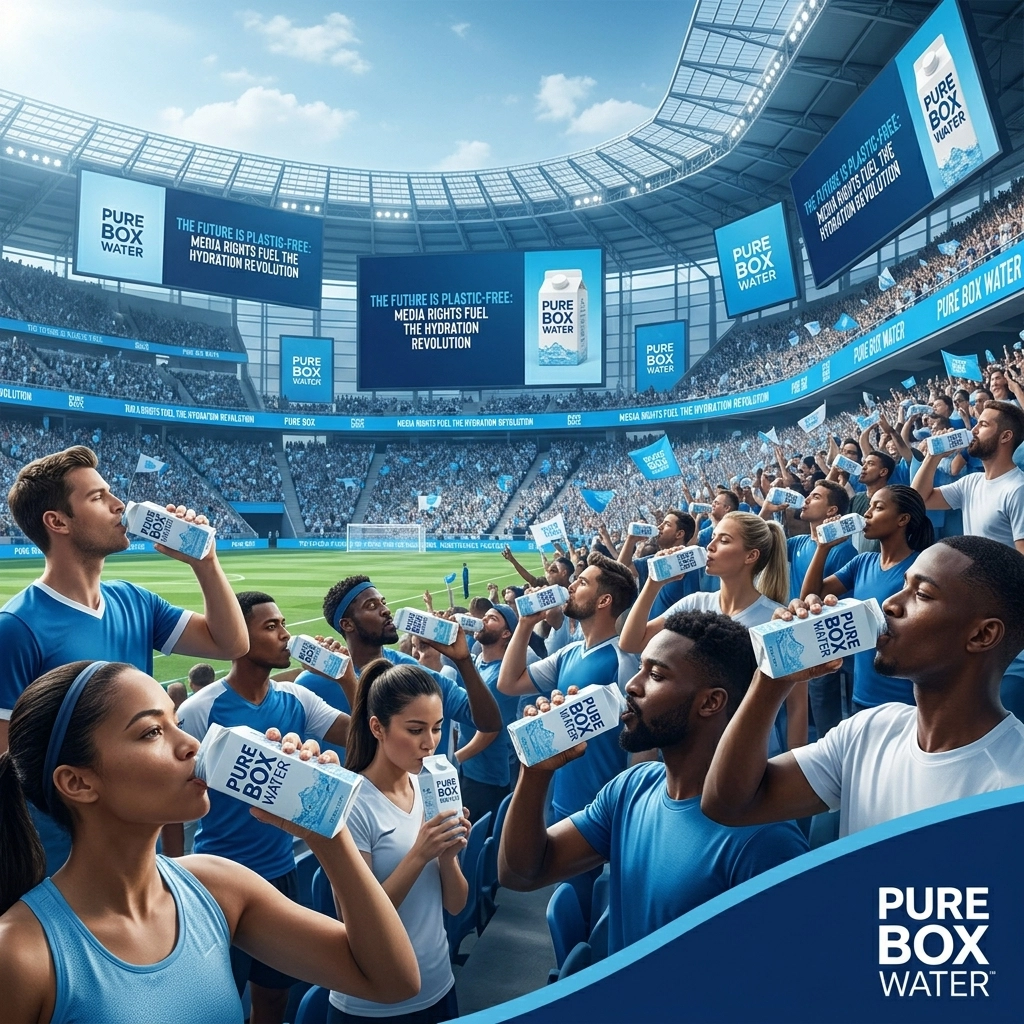
The global event landscape is undergoing a profound transformation, driven not only by shifting consumer preferences but by the complex intersection of media rights and environmental stewardship. As major international gatherings, sports championships, and cultural festivals command billion-dollar broadcasting contracts, the pressure to align these spectacles with global sustainability goals has reached a critical juncture. The era of single-use plastic dominance is being dismantled, replaced by sophisticated hydration strategies that prioritize ecological integrity without compromising the logistical demands of high-capacity venues.
Central to this evolution is the role of media rights holders and event owners who increasingly view sustainability as a prerequisite for brand protection and market relevance. By leveraging the immense reach of broadcast and digital media, these entities are catalyzing a plastic-free revolution, moving beyond token gestures toward systemic change. The adoption of large-scale solutions, such as the 1 million unit hydration strategy pioneered by Pure Box Water, represents a scalable blueprint for the future of mass-market hydration.
Historically, media rights were valued solely on viewership metrics and advertising inventory. However, the contemporary landscape requires a broader definition of value, one that incorporates Environmental, Social, and Governance (ESG) criteria. Media rights holders: ranging from global sports federations to tourism bureaus: are now held accountable for the physical footprint of the events they broadcast. The visual of a stadium or a national park littered with discarded plastic bottles is no longer just a cleaning challenge; it is a brand liability that devalues the media asset.

Sponsorship agreements are being rewritten to reflect this reality. Major brands that previously sought visibility at any cost are now demanding that their logos be associated with sustainable practices. This shift has turned media rights into a powerful lever for environmental reform. When a media rights holder mandates a plastic-free environment, the entire supply chain must adapt. This mandate creates a vacuum that only high-capacity, sustainable solutions can fill, moving the industry away from the inefficiency of plastic toward the streamlined logistics of boxed water.
For events that attract millions of attendees: such as the Olympics, World Cup qualifiers, or massive music festivals: the primary barrier to going plastic-free has always been scale. The logistical complexity of replacing hundreds of thousands of plastic bottles with traditional alternatives often proved insurmountable for event organizers. Pure Box Water addresses this friction point through its aggressive 1 million unit hydration program, designed specifically to meet the high-volume needs of international event owners.
By providing a scalable, biodegradable, and highly portable hydration solution, Pure Box Water allows media rights holders to enforce plastic-free mandates with confidence. The transition to boxed water is not merely a material change; it is a logistical optimization. Boxed water offers superior space efficiency during transport and storage, reducing the carbon footprint of the event’s supply chain while ensuring that the high-definition visuals broadcast to millions are free from the optics of plastic pollution.
While sporting events provide a massive platform, the "The Future of Event Hydration" is equally critical for the preservation of natural landmarks. State parks, federal lands, and departments of natural resources are increasingly acting as media rights holders for their own unique assets. These entities manage the visual and experiential rights to some of the world’s most pristine environments. For tourism bureaus, the mission is clear: promote the destination while protecting the very resources that attract visitors.

The integration of Pure Box Water into the visitor experience at state and federal parks is a strategic move toward long-term preservation. Tourism bureaus are now recognizing that a plastic-free initiative is a powerful marketing tool. By eliminating single-use plastics in favor of sustainable packaging, these agencies are enhancing the "brand" of their natural assets. The goal is to create a seamless experience where the visitor’s hydration needs are met through solutions that reflect the beauty and purity of the surrounding environment.
The technical advantages of boxed spring water extend far beyond its environmental credentials. From a broadcasting and event management perspective, the box is a superior medium.

As media rights holders become more vocal about their sustainability requirements, we are seeing a trickle-down effect into public policy. Federal and state agencies are beginning to adopt procurement standards that favor plastic-free vendors. The 1 million unit strategy is not just about a single event; it is about creating a new standard for public-private partnerships.
When a tourism bureau or a state park department enters a partnership with a company like Pure Box Water, they are signaling to the market that sustainability is non-negotiable. This exerts pressure on other vendors and competitors to innovate, effectively fueling a green revolution that transcends the beverage industry. The data collected from these massive deployments: tracking waste reduction and carbon savings: provides the empirical evidence needed for governments to enact broader bans on single-use plastics in sensitive ecological zones.
Looking ahead toward 2026 and beyond, the expectation for event hydration will be "zero-waste by design." Media rights holders will no longer consider sustainability an "add-on" feature but a core component of the broadcasting agreement. The integration of high-capacity hydration solutions into the very fabric of event planning will be the hallmark of successful event ownership.
Pure Box Water is positioned at the forefront of this movement, bridging the gap between the environmental ideals of the Eco-conscious consumer and the rigorous logistical demands of global media events. By focusing on the 1 million unit scale, the company is proving that sustainability and high-performance event management are not mutually exclusive.

The future of event hydration is being written today by the visionary media rights holders, park directors, and tourism officials who recognize that the old model of consumption is obsolete. Fueling the plastic-free revolution requires a commitment to scale, a focus on logistics, and a partnership with companies that share a vision for a cleaner planet.
For those managing the world’s most prestigious events and natural landmarks, the choice is clear. The transition to a plastic-free future is not just an environmental necessity: it is a strategic imperative. By adopting the Pure Box Water solution, event owners can protect their brand, preserve their assets, and lead the way in the global effort to eliminate plastic pollution once and for all.
The revolution is here, and it is boxed. Through the convergence of media rights, innovative logistics, and a commitment to the 1 million unit strategy, we are ensuring that the world’s greatest spectacles are remembered for their impact, not their waste. To learn more about how to integrate these solutions into your next large-scale endeavor, visit our contact page to connect with our strategic partnership team.